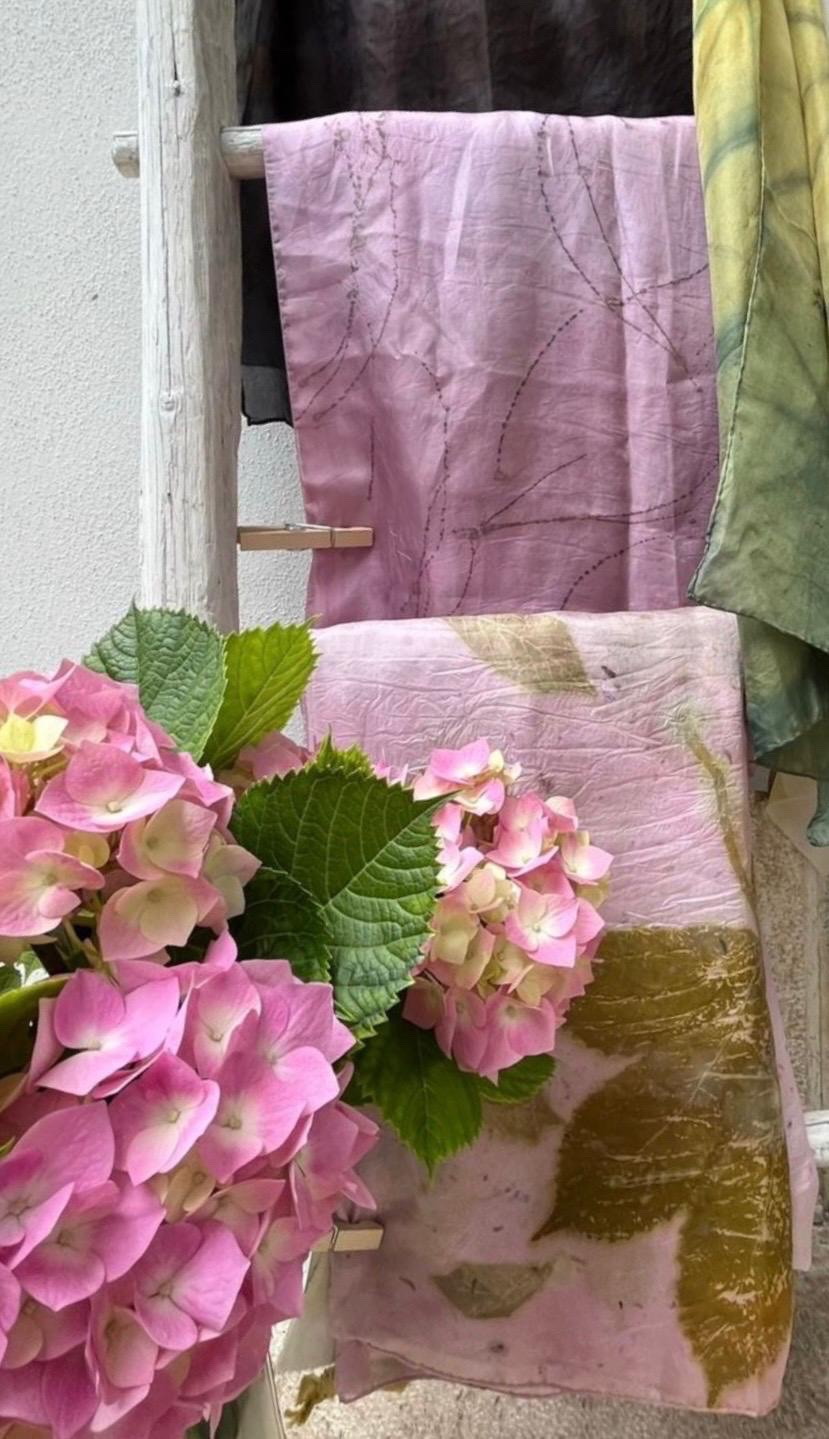
Twelve fibres. One rule.
No synthetic fibre, and no supply chain we cannot describe. Every batch that enters the atelier arrives with its certificate, and every cloth has its season, its way of sitting on the body and of growing old.
01
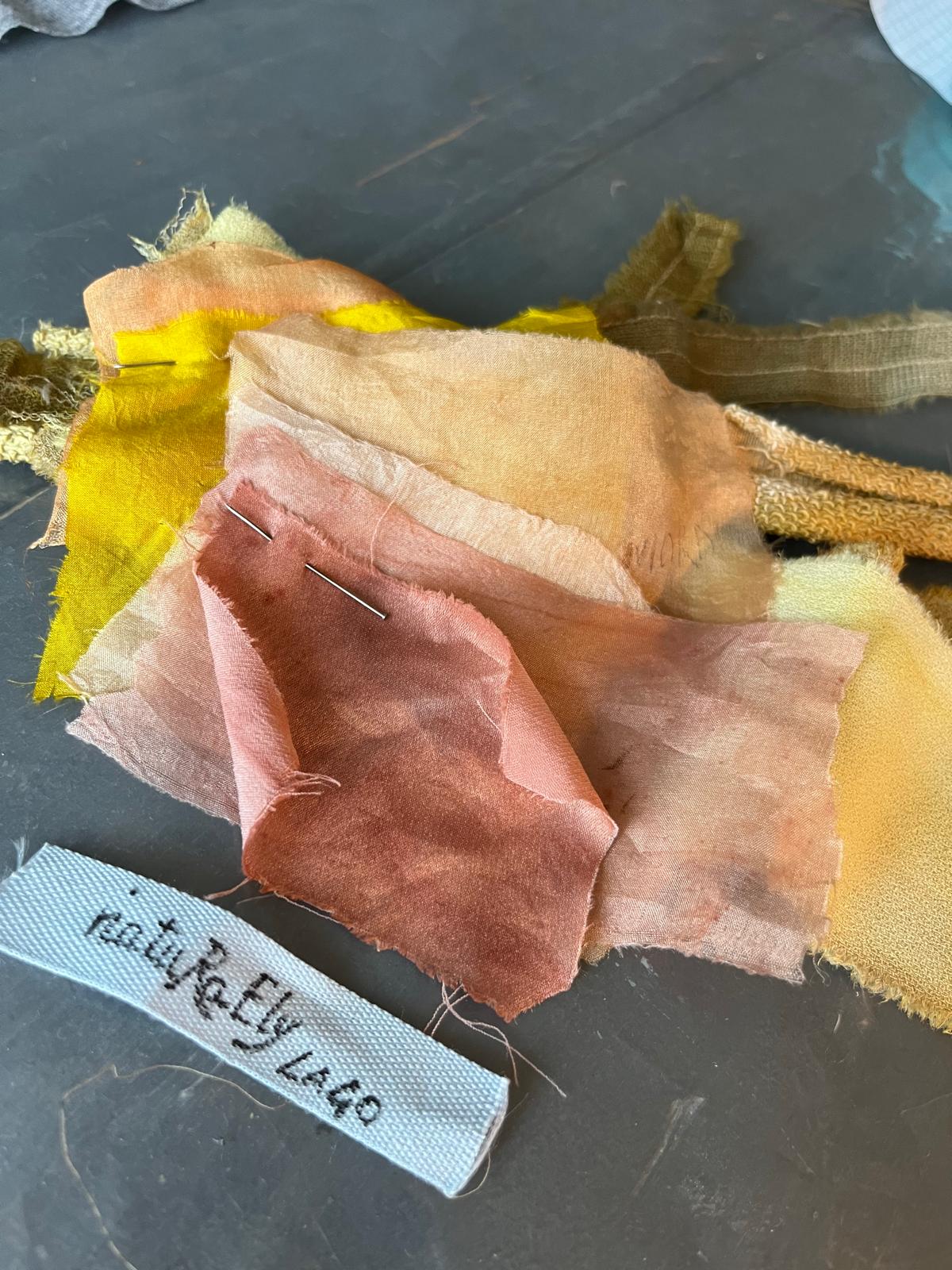
Hemp
Europe's oldest textile fibre: it grows in a single summer, without irrigation and without pesticides. It has the strength of linen and a hand a shade rougher, which every wash softens — after five years a hemp shirt has become yours. Grown in Piedmont, spun near Biella, dyed here in the atelier with leaves and bark.
02
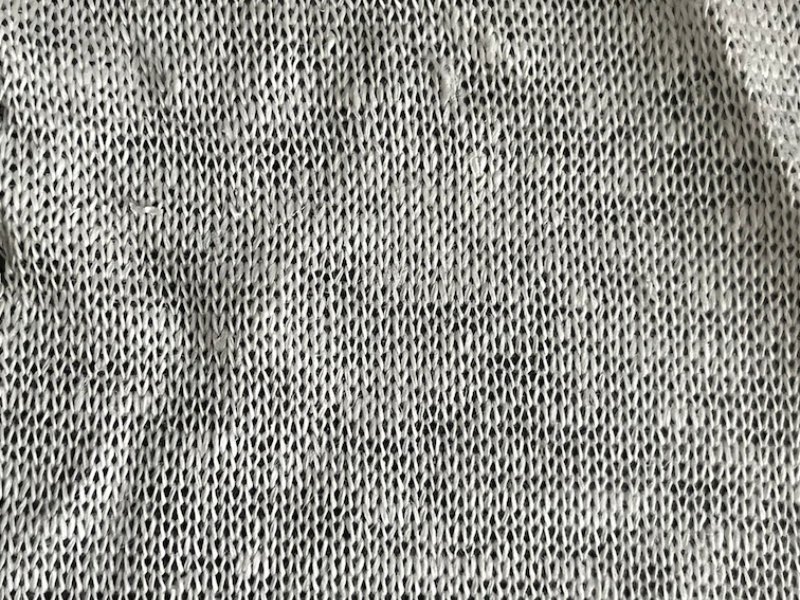
Nettle
It spins like linen and breathes like skin: cool in summer, warm when woven close. Nettle grows where nobody plants it and asks for nothing. The yarn comes from northern Europe; the colour, with us, always comes from plants.
03
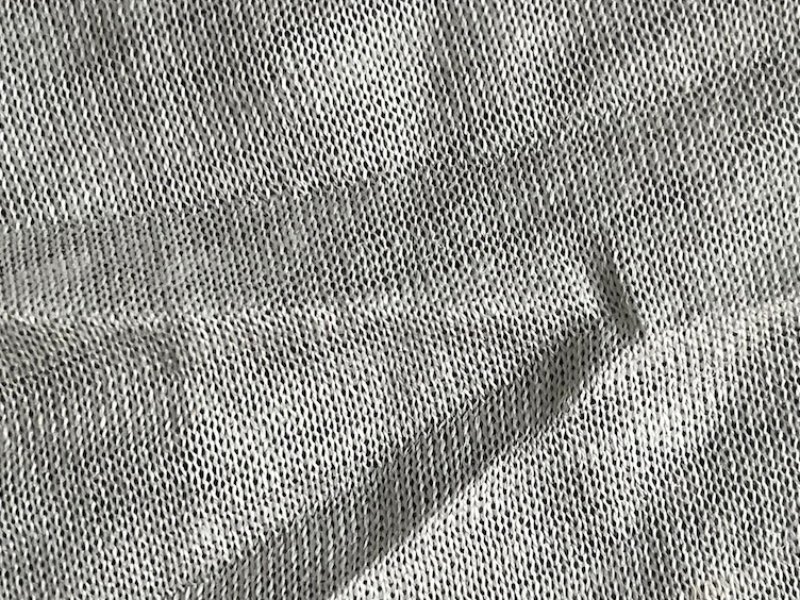
Bamboo
It falls as lightly as water, with a lustre unlike silk's — softer, more matt. This is the fibre we use for summer linings and for the vests we later print with leaves.
04
Lotus
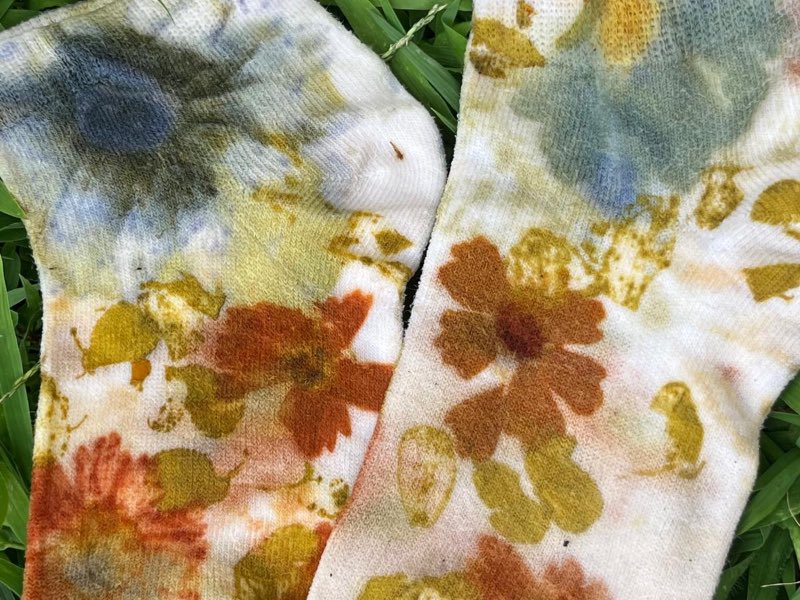
It comes from northern Vietnam and is hard to come by at all: the thread is drawn by hand from the flower stem, a few metres a day. The rarest fibre that enters the atelier, kept for details.
05
Peace silk
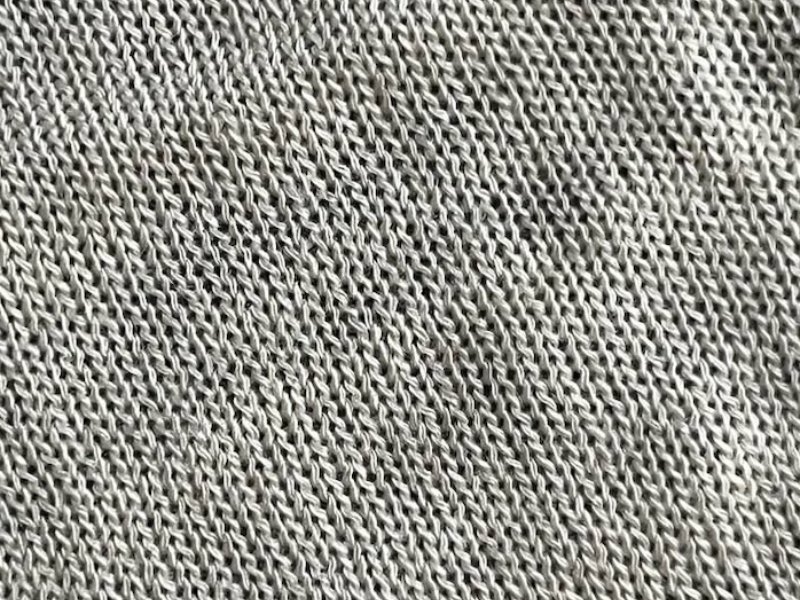
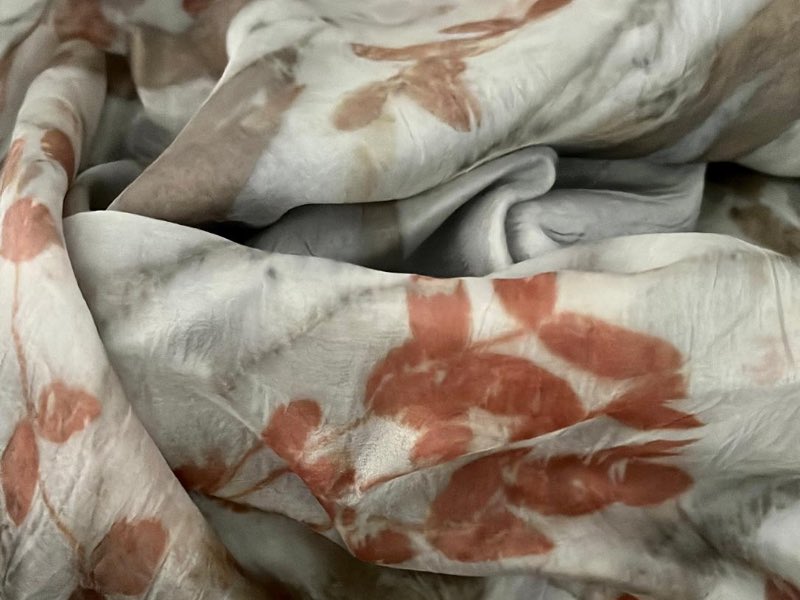
Our silk is peace silk: the cocoon is never boiled with the moth still inside. The moth is allowed to leave, and only then is the thread spun. This is the silk of the coat linings and of the scarves dyed in the atelier.
06
Pongé silk
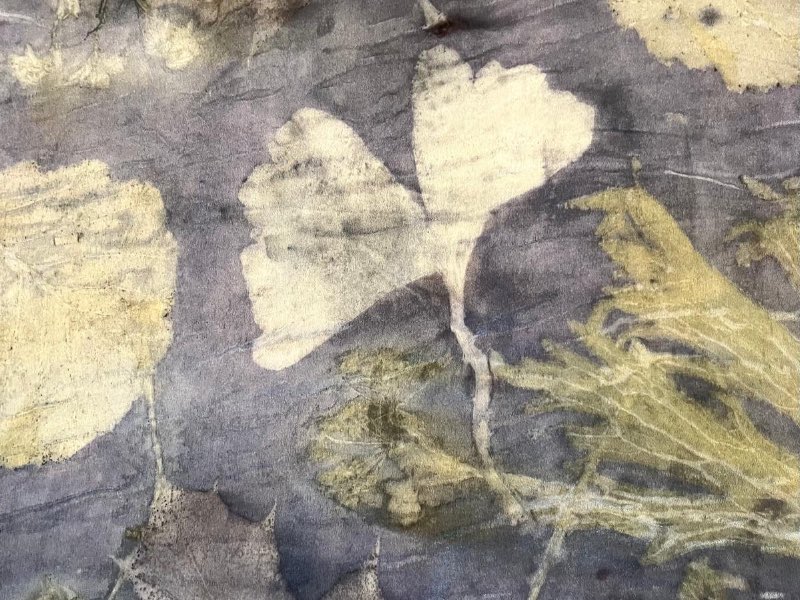
Finer and more tautly woven than heavy silk: it takes plant colour cleanly, and a botanical print on top looks drawn in pencil. The silk of the lightest scarves.
07
European linen
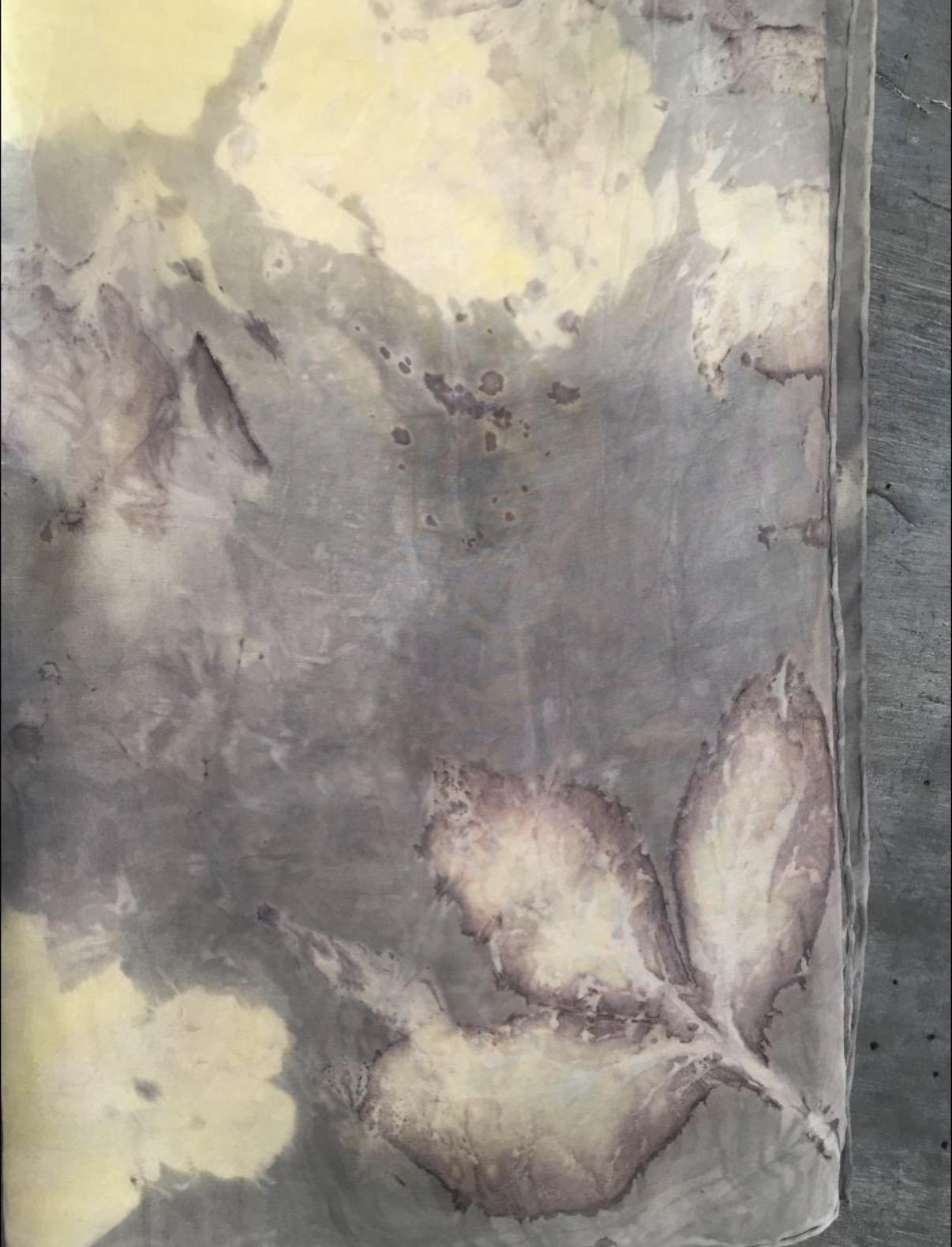
Grown in Europe, without artificial irrigation. It creases, and that is as it should be: the sign that it is real. With the years it grows softer and paler.
08
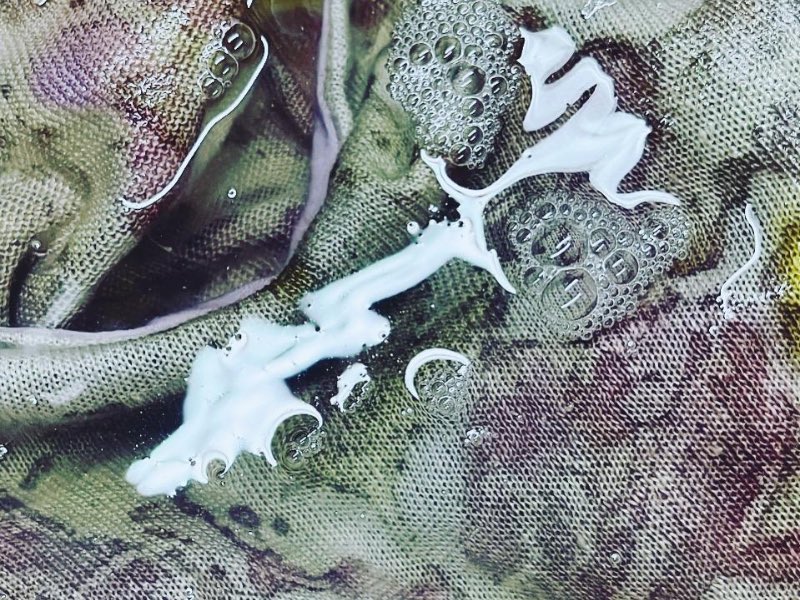
Organic cotton
GOTS certified: no pesticides, no defoliants, water accounted for. We use it for the vests and shirts we then print with leaves.
09
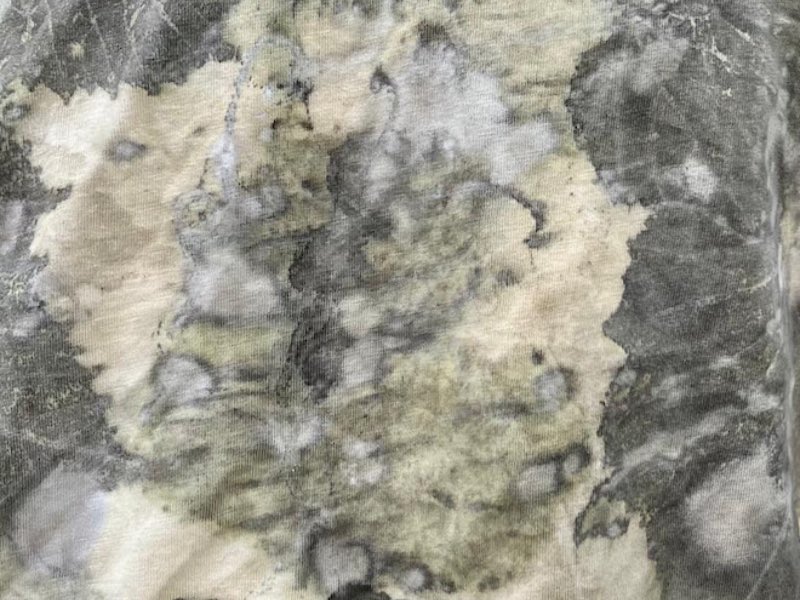
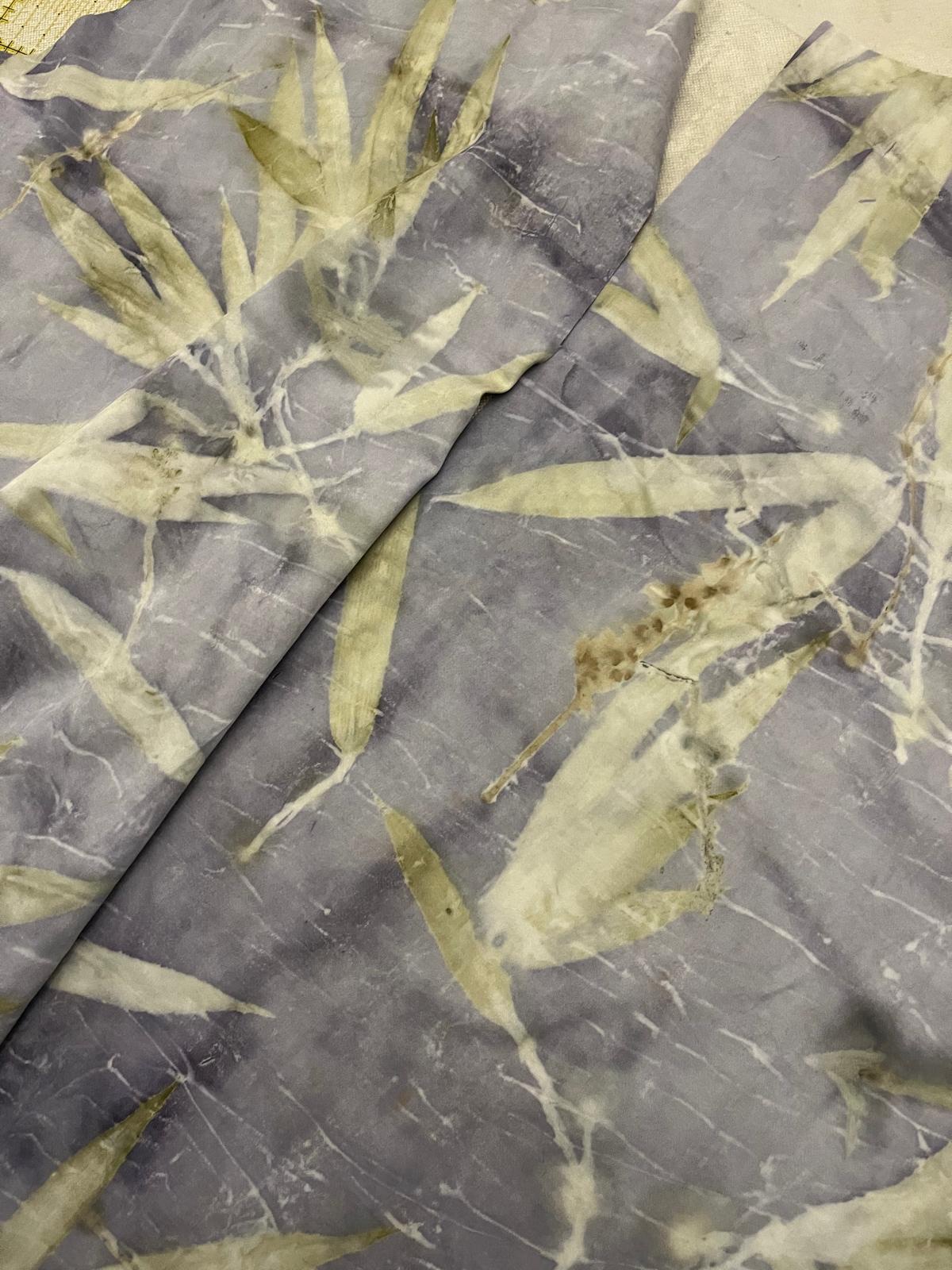
EcoVero viscose
Viscose from the cellulose of managed forests, EcoVero certified: it falls like silk and costs less. It lines two of the five coats, dyed with pomegranate and printed with leaves.
10
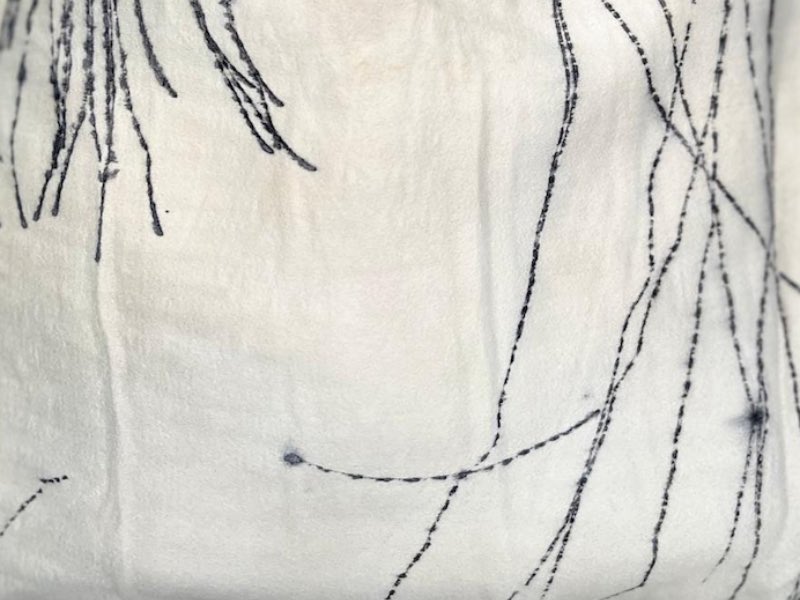
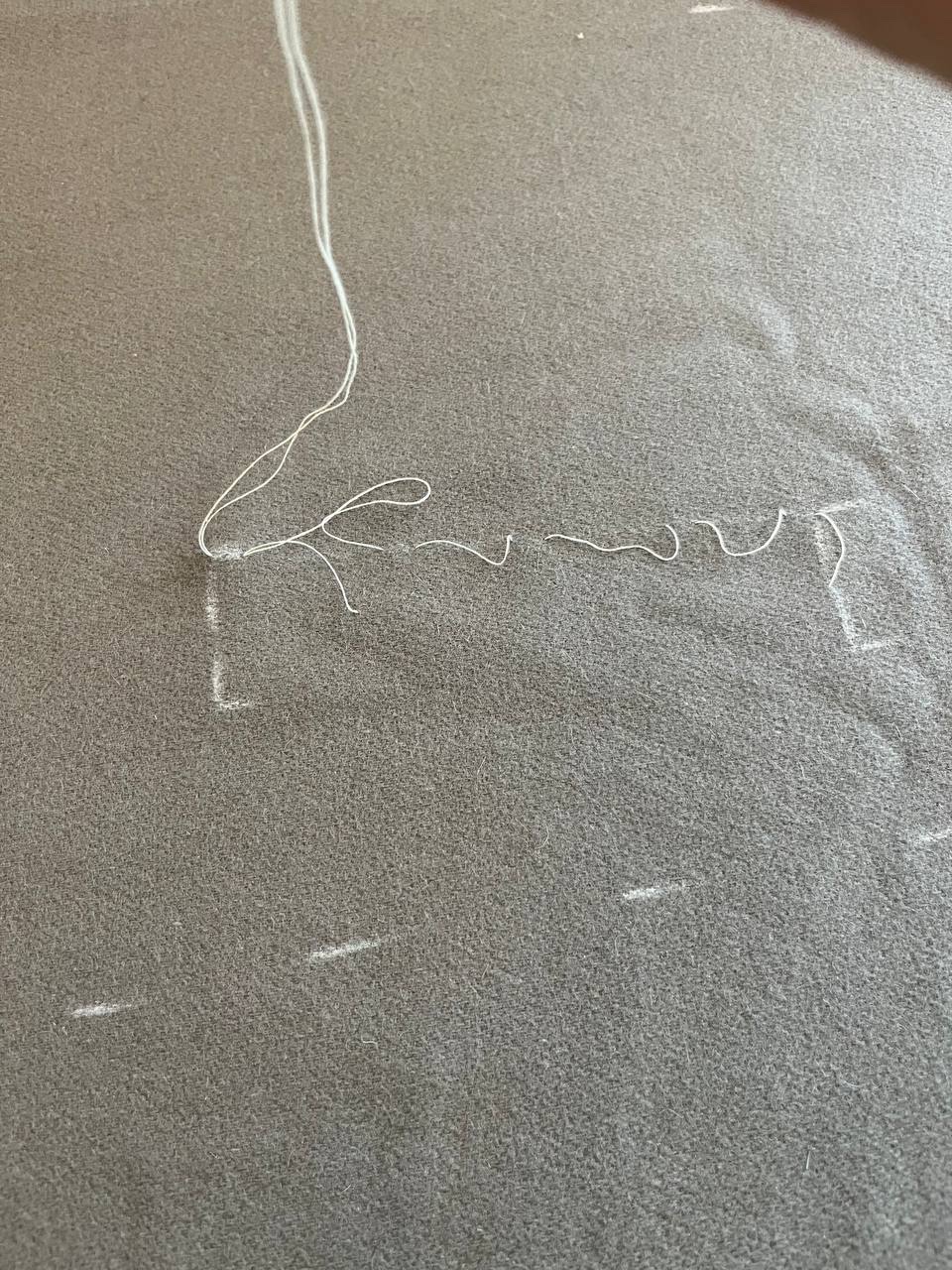
Wool
Carded and combed, from Sardinia and the Biella valleys. Native Sardinian wool is rough at first touch and softens on the body; the combed wool is the cloth of the coats.
11
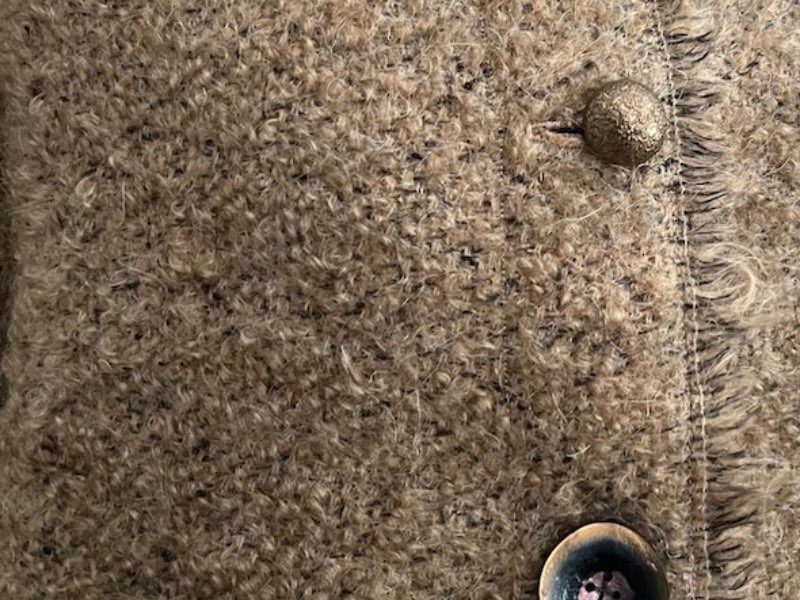
Alpaca
Warmer than wool and free of lanolin: it does not prickle. It comes from RAS-certified farms, where the animals are never mistreated at shearing.
12
Cashmere
We use it regenerated: fibre recovered from existing garments, re-carded and re-spun. The same softness, a tenth of the water, and not one more goat.
How they last.
Natural fibres age, soften, and shift in colour under the sun. Wash them by hand, dry them flat, never rub: on things like these, time works better than we do. With every garment we send the card of its fibre and its dye.